

Microsoft reaches water efficiency milestone
Microsoft will use more recycled and reused water to cool its data centers as part of its broad commitment to become “water positive” by 2030.
Microsoft, like rivals Amazon and Google, is under pressure to justify the water withdrawals typically required to keep equipment cool in massive data centers that support cloud computing and artificial intelligence services.
All three companies are prioritizing design approaches that have lower requirements for water in the face of heightened community scrutiny. Examples of increasingly common approaches include massive fans that pull in outside air in mild climates and liquid technologies that directly cool the powerful chips running AI servers.
Amazon, Google and Microsoft are also switching to recycled and non-potable sources where possible to reduce freshwater withdrawals.
For example, Microsoft relies almost entirely on non-potable water to keep computing equipment cool in Singapore, one of the world’s most-water stressed nations, the company said in a June 24 disclosure. It also uses this practice heavily in Quincy, Washington, and San Antonio, Texas.
Microsoft supports equipment investments by municipal water utilities to increase the availability of these “new” water sources, said Steve Solomon, vice president of data center engineering at Microsoft.
For example, Microsoft has invested $25 million in upgrades in Leesburg, Virginia, so that its water needs have less of an impact on the local supply. Since 2020, it has invested more than $500 million in at least 75 water and wastewater projects, the company said in its blog.
In addition, Microsoft is installing on-site equipment for purifying and recycling water for reuse and using rainwater harvesting systems at some sites in the Netherlands, Sweden and Ireland to supplement its supply. A planned installation in Quebec, for example, will provide up to 1.5 million liters annually.
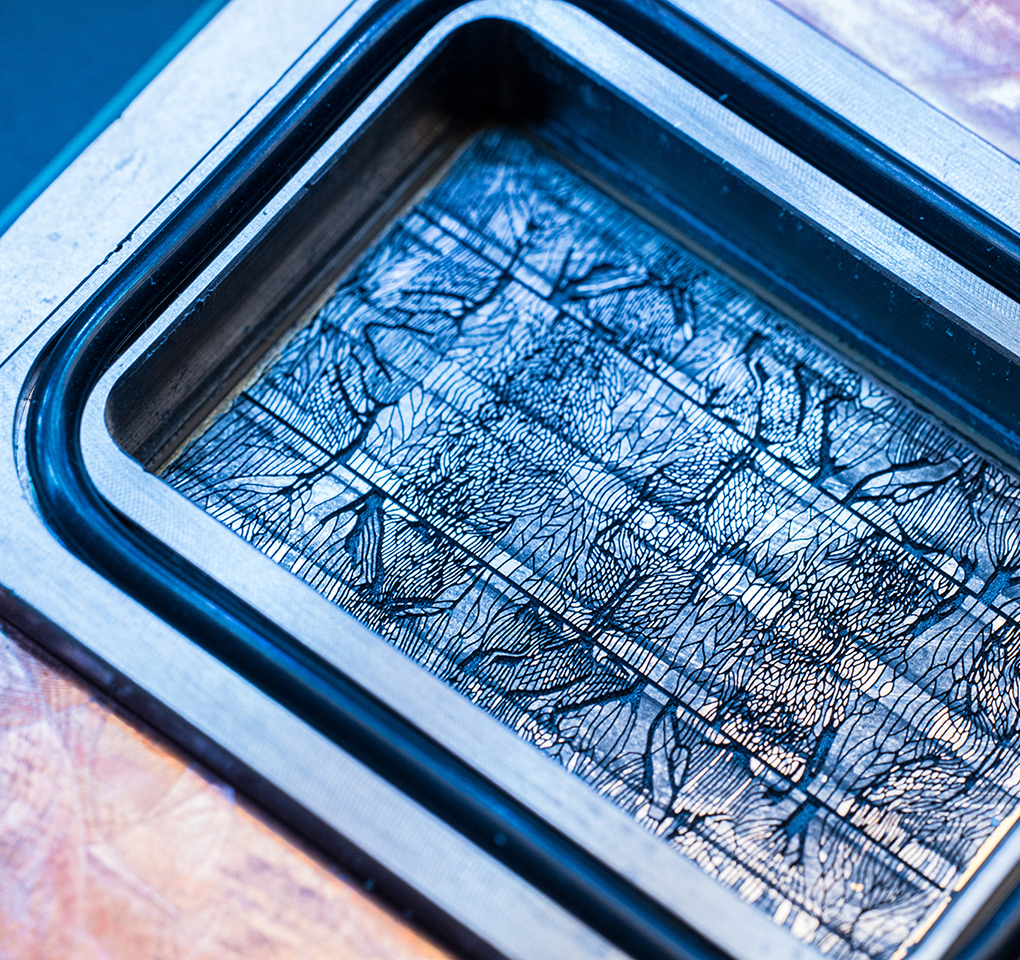
Microsoft developed a closed-loop cooling system designed specifically for AI data centers, which are more densely populated with processing hardware. The system is used in the company’s new facility in Wisconsin, which came online early this spring. “Opening the window doesn’t work any more for the temperatures that we’re talking about,” said Solomon.
Microsoft’s cooling system allows for temperatures to be controlled on a zone-by-zone basis, which reduces the amount of electricity required to run it. After it’s filled with recycled water, the equipment is sealed and the water recirculates.
The design will be used for new facilities. There aren’t currently plans to retrofit existing data centers with the system, given their decades-long lifespans. Microsoft will continue to reduce the water needed at those sites through upgrades that directly impact processing technology. “We try to keep the core utilities untouched,” Solomon said.
Ongoing improvements
Microsoft reduced the water-use intensity of its data centers by 25 percent between 2022 and 2025, the company said in its June 24 disclosure. (Microsoft hasn’t yet published its full environmental update for fiscal year 2025, which is typically published in the late spring.)
Microsoft’s progress on water-use intensity reductions puts it more than halfway toward the company’s goal for a 40 percent improvement by 2030. The initiative is one component of Microsoft’s larger commitment to become “water positive” by 2030, adopted in 2020. Its efficiency measures are coupled with projects meant to “replenish” stressed watersheds such as helping utilities install leak detection devices or restoring wetlands to reduce stormwater runoff.
Microsoft cut its average water usage effectiveness (WUE) to 0.27 liters per kilowatt-hour (l/kWh) in 2025. For comparison, the industry average is 0.84 l/kWh. Amazon claims an industry-leading rating of 0.12 l/kWh. Google doesn’t report a WUE metric.
The post Microsoft reaches water efficiency milestone appeared first on Trellis.


Post a comment
You must be logged in to post a comment.